
Flaxseed oil is becoming more popular in India for its omega-3 fatty acids. It’s important to look at price, quality, and where it comes from. This ensures you get the best oil for your health.
Premium cold pressed oil is known for its health benefits. It’s better than refined oil. This guide will help you understand and choose the right oil.
Key Takeaways
- Explore the health benefits of flaxseed oil.
- Understand the cost vs. quality of flaxseed oil in India.
- Recognize the differences between cold pressed and refined flaxseed oil.
- Discover tips to identify premium cold pressed oil.
- Learn about the importance of packaging for oil quality.
Introduction to Flaxseed Oil
Flaxseed oil comes from the flax plant, known as Linum usitatissimum. It’s famous for its omega-3 fatty acids. This makes it a favorite among those who care about their health.
It’s not just good for you; it’s also tasty. You can add it to dressings, smoothies, and even baked goods. It’s a great addition to any meal.
People are now looking into flaxseed oil for its health perks. It’s good for the heart, helps with digestion, and has anti-inflammatory effects. These are just a few reasons why it’s so popular.
In recent years, flaxseed oil has become more popular. It’s now easier to find in stores. This shows that more people are choosing natural and healthy foods.
As more people use flaxseed oil, its benefits are getting noticed. It’s becoming a staple in many diets. This is attracting attention from different groups of people.
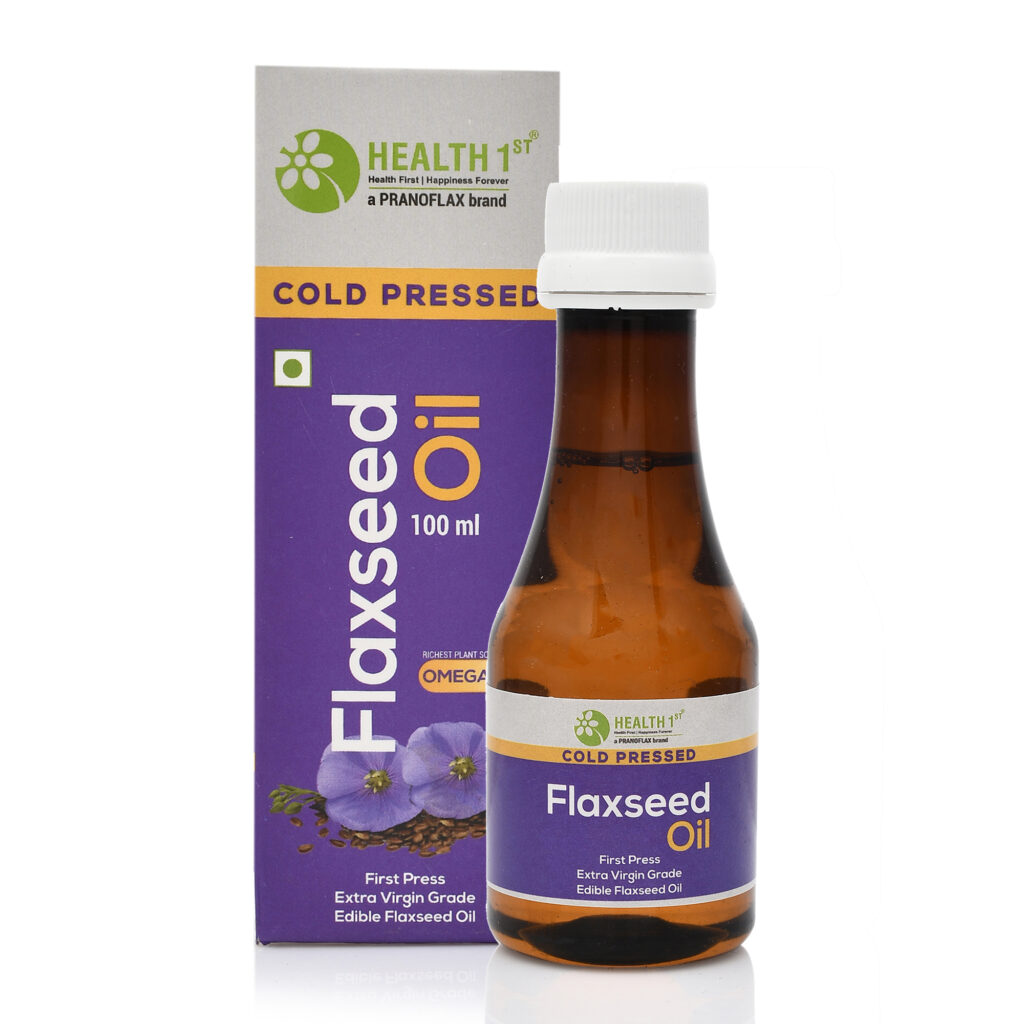
Understanding Flaxseed Oil: What to Know
Learning about flaxseed oil means knowing where it comes from, how it’s made, and its health perks. The flax plant, found in places like India, Canada, and China, is key in making this oil. It’s important to know how flaxseed oil is sourced to get the best quality.
There are different ways to extract the oil, each affecting its quality and health benefits.
Origin and Extraction Methods
Flaxseed oil starts with growing the flax plant. Farmers use green farming to grow it, focusing on being kind to the environment. The main ways to get the oil are cold-pressed and refined.
Cold-pressed oil keeps more nutrients, like omega-3 fatty acids, because it’s made naturally. Refined oil might lose some good stuff because it’s processed more.
Health Benefits of Flaxseed Oil
Flaxseed oil is good for many reasons. It’s full of omega-3 fatty acids, which are great for the heart, brain, and skin. It can also help lower inflammation and improve digestion.
Choosing high-quality oil made naturally helps you get the most health benefits.
Cold-Pressed vs Refined Flaxseed Oil
Flaxseed oil comes in two types: cold-pressed and refined. Each has its own benefits and characteristics. Knowing the difference helps you choose the right oil for your needs.
Benefits of Cold-Pressed Flaxseed Oil
Cold-pressed flaxseed oil keeps more nutrients than refined oil. It’s full of antioxidants and essential fatty acids. This makes it great for salads, smoothies, and cooking.
It’s also rich in omega-3 fatty acids. These help your heart and may lower inflammation. So, it’s a nutritional powerhouse.
When to Choose Refined Oil
Refined flaxseed oil tastes lighter and lasts longer. It’s better for cooking at high temperatures because of its high smoke point. It’s not as nutritious as cold-pressed oil but is versatile in recipes.
People who cook a lot might prefer refined oil. It balances convenience with some health benefits.
Best Flaxseed Oil Price in India
When looking at flaxseed oil, knowing the price range is key. Prices vary by brand, extraction method, and oil quality. Premium oils can cost between INR 600 to INR 1500 per liter.
For those on a budget, many brands offer affordable choices. These options usually cost between INR 300 to INR 600 per liter. This makes them more affordable for those watching their spending.
Understanding the price range helps consumers find oils that fit their budget. It’s important to find a balance between quality and cost. This ensures a good purchase that meets health needs and financial limits.
Quality Comparison of Top Brands
Choosing the best flaxseed oil means knowing what makes it good. Different brands have their own standards. These standards affect the oil’s health benefits and how well it works. By looking at where the flaxseeds come from, how they’re extracted, and the oil’s purity, you can make a smart choice. We’ll explore what makes quality oil and compare top brands to help you decide.
Comparison of Leading Brands
The table below shows how some popular brands stack up in terms of quality.
| Brand | Source Quality | Extraction Method | Purity Level | Price Range (₹) |
|---|---|---|---|---|
| Pranoflax | Premium, carefully sourced seeds | Cold-Pressed | High (Lab-tested, chemical-free) | 700 – 1200 |
| Brand A | Standard quality seeds | Cold-Pressed | Medium | 600 – 900 |
| Brand B | Mixed sourcing | Refined | Low | 300 – 600 |
| Brand C | Organic certified | Cold-Pressed | High | 800 – 1300 |
Packaging Matters: What to Look For
Choosing the right packaging for flaxseed oil is key to keeping it fresh. There are many packaging options, but dark glass has big benefits. It keeps the oil from getting damaged by light, helping it stay good for longer.
Importance of Dark Glass Packaging
Flaxseed oil doesn’t like light, heat, or air. Dark glass packaging protects it from harmful UV rays. This is important because it stops the oil from going bad.
Many brands use dark glass for their flaxseed oil. It helps keep the oil fresh and tasty. Dark glass packaging makes a big difference in how the oil tastes and feels.
Sealing and Expiration Dates
Sealing the bottle well is very important. It keeps air out, which helps the oil stay good. Always check the expiration date to get fresh oil.
Manufacturers usually put this info on the label. Knowing about sealing and expiration dates helps you get the most from flaxseed oil.
Purity Standards for Flaxseed Oil
It’s important to know about purity standards when picking flaxseed oil. Consumers need to look for certifications that show the oil is safe and of good quality. This part explains why these standards are key to making sure flaxseed oil is up to par before it gets to us.
Understanding Certification and Testing
Certification for flaxseed oil is a sign of quality. Look for USDA Organic and non-GMO labels. USDA Organic means the oil is made without harmful chemicals, making it more natural. Non-GMO means it doesn’t have genetically modified stuff, which is good for those who care about their health.
Testing is vital to back up these certifications. Labs check for bad stuff like heavy metals and rancidity. This makes sure the oil is safe and meets purity standards. It also helps us know what we’re getting.
Choosing certified flaxseed oil is a smart move for a healthier diet. Always check the labels and make sure it’s the real deal. This way, you get the most health benefits from it every day.
Buying Tips for Flaxseed Oil
Buying quality flaxseed oil needs some knowledge. Knowing where to shop can make a big difference. It helps you find the best products.
Where to Purchase Quality Flaxseed Oil
Online stores like Amazon and Flipkart have many flaxseed oil options. Look for sellers with good reviews and detailed info. Local health stores also offer top brands for you to see in person.
Reading Labels and Understanding Ingredients
Always check the labels carefully. Choose cold-pressed oils to keep nutrients in. Ingredients should be simple and without extra additives. This is true for both online and in-store shopping.
Pranoflax Pricing: Quality and Sourcing
Pranoflax’s pricing is rooted in its dedication to quality and ethical sourcing. They focus on using premium flaxseeds grown organically. They work with local farmers who use sustainable methods, ensuring top-notch flaxseed.
Sourcing Methods and Transparency
Pranoflax is open about its oil sourcing, which builds trust with customers. They check the origins of the seeds carefully. This means their flaxseeds are organic and free from harmful chemicals.
Quality Testing in Production
Quality is key in Pranoflax’s production. Every batch is tested for purity and nutrition. This ensures the flaxseed oil is of the highest quality, justifying its premium price.
| Feature | Pranoflax | Competitor A | Competitor B |
|---|---|---|---|
| Sourcing Method | Organic & Local Farmers | Imported Seeds | Conventional Farming |
| Oil Sourcing Transparency | High | Medium | Low |
| Quality Testing | Comprehensive | Basic | Minimal |
| Certification | Certified Organic | Not Certified | Non-Organic |
Buyer Checklist for Selecting Flaxseed Oil
Choosing the right flaxseed oil is important. A detailed checklist can help you make the right choice. Look at extraction methods, certifications, and packaging quality. These factors ensure you get the best oil for your health.
Essential Factors to Consider
- Extraction Method: Cold-pressed flaxseed oil keeps more nutrients than refined oil.
- Certifications: Third-party testing and organic certifications ensure purity and safety.
- Packaging: Dark glass bottles protect the oil from damage, keeping it fresh longer.
- Price: Higher prices usually mean better quality. Compare brands to find the best value.
- Freshness: Always check the expiration date to get fresh oil.
Common Pitfalls to Avoid
- Avoid oils in plastic containers that can leach chemicals.
- Don’t overlook the importance of reading the ingredient list; avoid added preservatives or fillers.
- Steer clear of overly cheap options; extremely low prices can indicate lower quality.
- Don’t ignore user reviews; they can provide insights into the product’s effectiveness and quality.
Conclusion
Flaxseed oil is a nutritional powerhouse, packed with health benefits. It’s rich in omega-3 fatty acids, lignans, and fiber. These nutrients make it a great addition to any diet.
There are different ways to extract flaxseed oil, each with its own benefits. Knowing about these can help you choose wisely. This article has covered everything you need to know about flaxseed oil, including how to pick the best one in India.
Flaxseed oil is easy to use in cooking or take on its own. When looking at different brands, pay attention to packaging, purity, and where it comes from. Choosing high-quality flaxseed oil can greatly improve your health, giving you all the benefits this oil has to offer.
0 Comments