
Pumpkin seeds are crunchy, versatile and easy to include in everyday meals. They provide plant-based protein, unsaturated fats, minerals and dietary fibre, making them a nutrient-dense addition to a balanced diet.
But are pumpkin seeds good for gut health?
Pumpkin seeds can be part of a gut-friendly eating pattern because they provide dietary fibre and help add variety to a plant-rich diet. Fibre plays an important role in normal digestion and bowel regularity, while eating a variety of plant foods supports overall digestive health.
However, pumpkin seeds should not be viewed as a treatment for constipation, digestive disorders or gut-related medical conditions. Their benefits are best understood as part of an overall diet containing vegetables, fruits, whole grains, pulses, nuts and other seeds.
In this guide, we explore pumpkin seeds benefits for digestion, their fibre content, raw vs roasted pumpkin seeds, how to eat pumpkin seeds and common mistakes to avoid.
Are Pumpkin Seeds Good for Gut Health?
Yes, pumpkin seeds can fit into a diet that supports normal digestive function.
One of the main reasons is their dietary fibre content. Fibre is the part of plant foods that is not completely digested and absorbed in the small intestine.
Pumpkin seeds contain both soluble and insoluble fibre, although insoluble fibre is an important component.
Dietary fibre can contribute to:
- Normal bowel regularity
- Healthy stool bulk
- Normal digestive function
- Greater plant-food variety
- Overall daily fibre intake
Pumpkin seeds also provide protein, unsaturated fats and minerals such as magnesium, zinc and iron.
For gut health, though, the most relevant point is their role as one fibre-containing food within a varied diet.
Why Is Fibre Important for Digestion?
Dietary fibre moves through the digestive system differently from carbohydrates that are fully digested and absorbed.
Different forms of fibre perform different functions.
Some fibre helps add bulk to stool and supports normal movement through the digestive tract, while some fibre may be fermented by microorganisms in the large intestine.
This is why it is better to eat a variety of fibre-rich foods rather than depend on a single ingredient.
Good dietary sources of fibre include:
- Vegetables
- Fruits
- Whole grains
- Beans and lentils
- Nuts
- Seeds
Pumpkin seeds can contribute to this overall dietary variety.
What Type of Fibre Do Pumpkin Seeds Contain?
Pumpkin seeds contain both insoluble and soluble dietary fibre, although research particularly highlights their insoluble fibre content.
Insoluble Fibre
Insoluble fibre does not dissolve in water.
It contributes bulk to digestive contents and supports the normal movement of material through the digestive tract.
This makes insoluble-fibre foods useful as part of a diet designed to support bowel regularity.
Soluble Fibre
Pumpkin seeds can also provide some soluble fibre.
Soluble fibre behaves differently in the digestive tract and may be fermented to varying degrees by bacteria in the large intestine.
The practical takeaway is simple: pumpkin seeds can contribute fibre, but they should be eaten alongside a variety of other plant foods to create a more balanced fibre intake.
5 Pumpkin Seeds Benefits for Digestion
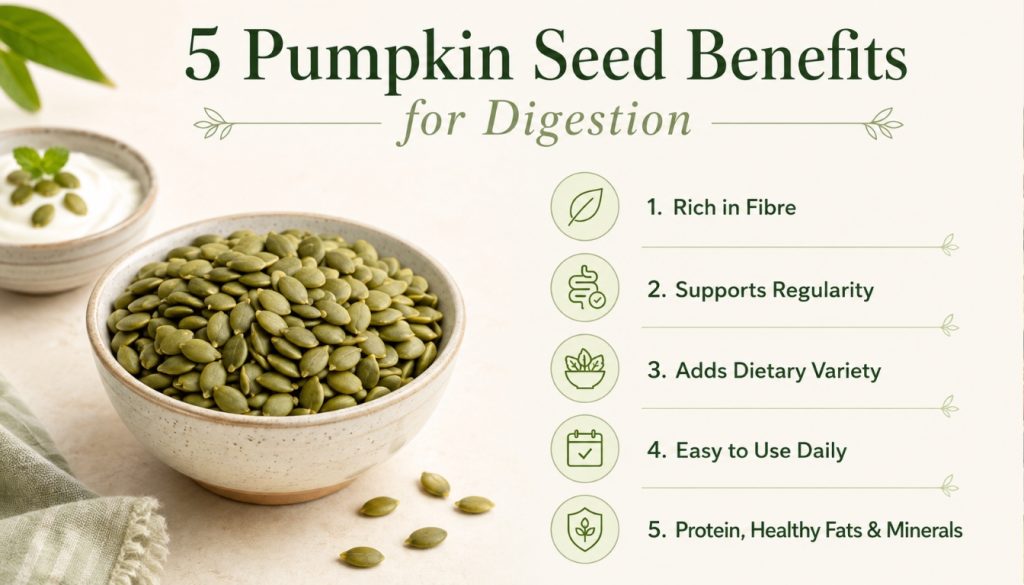
1. Pumpkin Seeds Provide Dietary Fibre
One of the most relevant pumpkin seeds benefits for digestion is their fibre content.
Adding pumpkin seeds to meals can help increase the variety of fibre-containing foods in your diet.
They can easily be added to:
- Poha
- Salads
- Oats
- Yogurt
- Smoothie bowls
- Homemade snacks
This makes them a convenient ingredient for everyday meals.
2. Fibre Can Support Normal Bowel Regularity
Dietary fibre helps contribute to stool bulk and normal bowel movement.
Because pumpkin seeds contain fibre, they can form part of a dietary pattern that supports bowel regularity.
However, pumpkin seeds should not be treated as a guaranteed remedy for constipation.
Constipation can have many causes, so overall fibre intake, hydration, physical activity and individual health conditions also matter.
3. They Help Add Plant Variety to the Diet
A healthy digestive system depends on more than one food.
Eating different plant foods provides different fibres and nutrients.
Pumpkin seeds can be combined with:
- Fruits
- Vegetables
- Oats
- Quinoa
- Pulses
- Yogurt
- Nuts
- Other seeds
This helps improve overall dietary variety rather than relying heavily on pumpkin seeds alone.
4. Pumpkin Seeds Are Easy to Add to Everyday Meals
Pumpkin seeds have a mild, slightly nutty taste.
They can be used in both sweet and savoury foods, which makes them easy to include regularly.
Try them in:
- Breakfast bowls
- Chutneys
- Salads
- Namkeen
- Energy bites
- Yogurt
- Baked snacks
5. Pumpkin Seeds Provide More Than Fibre
Pumpkin seeds are also valued for their overall nutritional profile.
They provide:
- Plant-based protein
- Unsaturated fats
- Magnesium
- Zinc
- Iron
- Naturally occurring plant compounds
These nutrients add to the overall nutritional value of pumpkin seeds.
For digestive health specifically, however, the strongest and most relevant angle remains their contribution to a varied, fibre-containing diet.
Do Pumpkin Seeds Support the Gut Microbiome?
This is an area where careful wording is important.
Dietary fibre in general can interact with the microorganisms living in the large intestine, and a varied plant-rich diet is associated with a more diverse supply of fermentable substrates.
Pumpkin seeds contain dietary fibre, so they can contribute to that overall dietary pattern.
However, current evidence does not justify claiming that pumpkin seeds alone are a proven prebiotic food or that eating them will directly improve the gut microbiome in every person.
For practical purposes, it is better to say:
Pumpkin seeds can contribute fibre to a varied plant-rich diet that supports overall digestive health.
Raw vs Roasted Pumpkin Seeds: Which Is Better?
Both raw and roasted pumpkin seeds can be included in a balanced diet.
The choice mainly depends on your taste and how you plan to use them.
Raw Pumpkin Seeds
Raw pumpkin seeds have a softer texture and mild nutty flavour.
They can be added to:
- Yogurt
- Smoothie bowls
- Salads
- Overnight oats
- Chutneys
Roasted Pumpkin Seeds
Roasted pumpkin seeds are crunchier and often have a stronger flavour.
They work well as:
- Snacks
- Salad toppings
- Poha toppings
- Namkeen ingredients
- Soup garnishes
If you buy roasted pumpkin seeds, check whether they contain a large amount of added salt, sugar or flavouring.
Neither raw nor roasted pumpkin seeds is automatically “better for gut health.” Portion size and your overall diet matter more.
Should You Soak Pumpkin Seeds Before Eating Them?
Pumpkin seeds do not need to be soaked before eating.
Unlike chia seeds, pumpkin seeds do not need hydration to form a gel or become suitable for normal consumption.
You can eat them:
- Raw
- Roasted
- Mixed into food
- Ground into chutney
- Added to snacks
Some people prefer soaked pumpkin seeds because soaking softens their texture.
If you want to soak them:
- Place the seeds in clean water.
- Allow them to soak for a few hours.
- Drain and rinse them properly.
- Use them fresh in your preferred recipe.
Soaking is optional, not a requirement.
5 Easy Ways to Eat Pumpkin Seeds
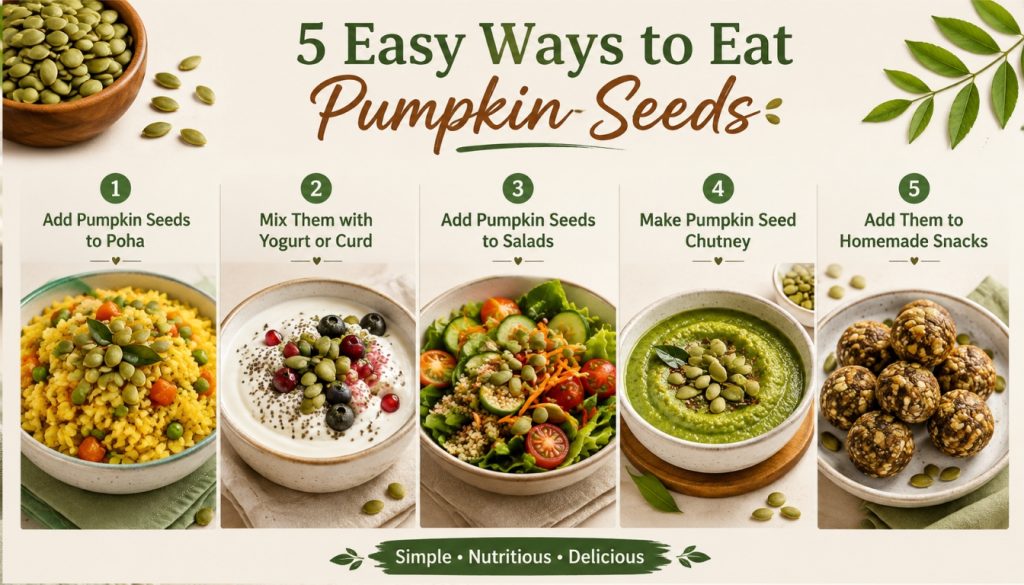
Pumpkin seeds can fit naturally into Indian meals and snacks.
1. Add Pumpkin Seeds to Poha
Sprinkle a small amount of pumpkin seeds over vegetable poha.
They add crunch without changing the familiar flavour of the dish too much.
2. Mix Them with Yogurt or Curd
Add pumpkin seeds to plain yogurt or curd.
You can also include chopped fruit, oats or other seeds for a simple breakfast or snack.
3. Add Pumpkin Seeds to Salads
Pumpkin seeds pair well with:
- Cucumber
- Tomato
- Carrot
- Quinoa
- Leafy vegetables
Sprinkle them over the salad just before serving to maintain their crunchy texture.
4. Make Pumpkin Seed Chutney
Pumpkin seeds can be blended with herbs, spices and other ingredients to prepare a savoury chutney.
This is an easy way to include them in Indian meals.
5. Add Them to Homemade Snacks
Pumpkin seeds work well in:
- Makhana namkeen
- Energy bites
- Trail mixes
- Seed mixes
- Ladoo
- Homemade baked snacks
Keep added salt and sugar moderate depending on the recipe.
How Many Pumpkin Seeds Should You Eat?
There is no single serving size that is ideal for everyone.
A practical serving is usually a small handful, often around 20–30 grams.
If pumpkin seeds are new to your diet, you may prefer to start with a smaller quantity and see how your digestive system responds.
Pumpkin seeds contain both fibre and fat, so eating a very large amount at once may cause discomfort in some people.
Possible symptoms can include:
- Bloating
- Gas
- Abdominal heaviness
- Feeling overly full
Moderation is more useful than consuming a large amount simply because pumpkin seeds are nutritious.
Can Pumpkin Seeds Cause Bloating?
Yes, they may cause bloating or digestive discomfort in some people, especially when consumed in large quantities.
This can happen if:
- Your usual diet is relatively low in fibre
- You suddenly eat a large portion
- You combine several fibre-rich foods at once
- Your digestive system is sensitive
Start with a moderate amount and increase your intake gradually if needed.
Adequate fluid intake is also important when increasing dietary fibre.
Common Mistakes to Avoid When Eating Pumpkin Seeds
Eating Too Many at Once
Pumpkin seeds are nutrient-dense, but more is not always better.
A moderate portion is generally easier to include as part of a balanced diet.
Choosing Heavily Salted Pumpkin Seeds
Some commercially roasted pumpkin seeds contain a large amount of added salt.
Choose plain or lightly seasoned seeds when possible.
Depending Only on Pumpkin Seeds for Gut Health
There is no single food that determines gut health.
Include a variety of vegetables, fruits, whole grains, pulses, nuts and seeds in your diet.
Ignoring Hydration
Adequate fluid intake matters when increasing fibre-rich foods.
Pumpkin seeds should be consumed as part of an overall diet that includes sufficient fluids.
Treating Pumpkin Seeds as Medicine
Pumpkin seeds are a nutritious food, not a treatment for digestive disease.
Ongoing digestive symptoms should be evaluated by an appropriate healthcare professional.
Who Should Be Careful with Pumpkin Seeds?
Individual tolerance to seeds varies.
Take extra care if you:
- Have a known seed allergy
- Have been advised to follow a low-fibre diet
- Have a gastrointestinal condition requiring dietary restrictions
- Experience persistent discomfort after eating seeds
- Have received specific dietary advice from a healthcare professional
If you have ongoing digestive symptoms, individual medical or dietetic advice is more appropriate than relying on general food recommendations.
Frequently Asked Questions About Pumpkin Seeds and Gut Health
Are pumpkin seeds good for digestion?
Pumpkin seeds contain dietary fibre, which contributes to normal digestive function and bowel regularity. They can be included as part of a varied, fibre-rich diet. However, they should not be considered a treatment for digestive conditions.
Can pumpkin seeds help with constipation?
Pumpkin seeds provide dietary fibre, and fibre is important for normal bowel regularity. However, constipation can have many causes. Pumpkin seeds should be viewed as one fibre-containing food alongside adequate fluids, vegetables, fruits, whole grains and pulses.
Can I eat pumpkin seeds every day?
Pumpkin seeds can be eaten regularly as part of a balanced diet for many people. Portion size still matters because they are nutrient- and energy-dense. A small handful can be incorporated into meals or snacks without needing to consume very large quantities.
Are raw or roasted pumpkin seeds better?
Both raw and roasted pumpkin seeds can be included in the diet. Raw seeds are softer, while roasted seeds have a crunchier texture. When choosing commercially roasted seeds, check the amount of added salt, sugar and flavouring.
Do pumpkin seeds need to be soaked?
No. Pumpkin seeds can be eaten without soaking. Soaking is optional and primarily changes their texture. They can also be consumed raw, roasted or incorporated directly into recipes.
What is the best time to eat pumpkin seeds?
There is no scientifically established best time to eat pumpkin seeds. They can be included at breakfast, lunch, dinner or as part of a snack depending on your preferences.
Can pumpkin seeds cause gas?
Eating a large amount may cause gas, bloating or heaviness in some people, especially if their usual diet contains relatively little fibre. Starting with a moderate portion can make them easier to tolerate.
Can pumpkin seeds and chia seeds be eaten together?
Yes. Pumpkin seeds and chia seeds can both be included in a balanced diet. Small quantities can be combined in yogurt, breakfast bowls or seed mixes. Dietary variety is generally more useful than depending on one seed alone.
Add Pumpkin Seeds to Everyday Meals with Pranoflax
Adding seeds to your diet does not need to make everyday meals complicated.
Pranoflax Pumpkin Seeds can be added to poha, salads, yogurt, chutney, homemade namkeen, breakfast bowls and other everyday recipes.
Their mild nutty flavour and crunchy texture make them easy to combine with both sweet and savoury foods.
Use pumpkin seeds as one part of a balanced eating pattern containing vegetables, fruits, whole grains, pulses, nuts and other seeds.
Explore Pranoflax Pumpkin Seeds

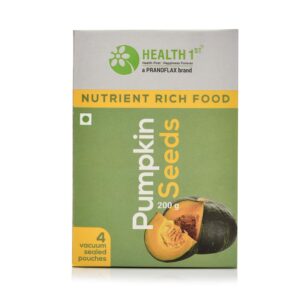
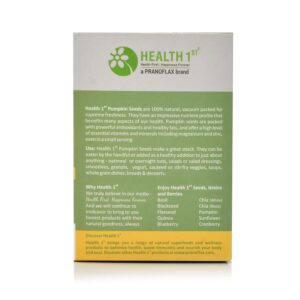
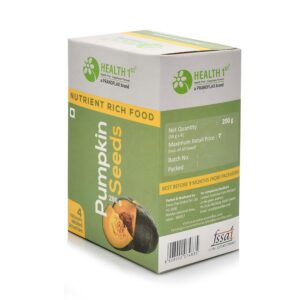
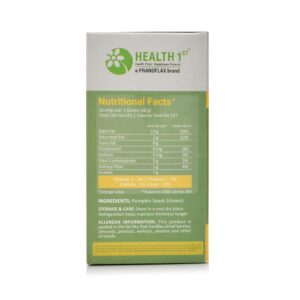
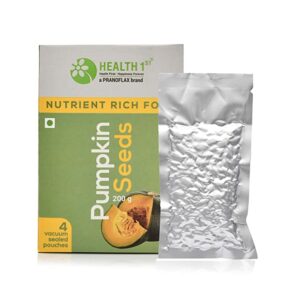

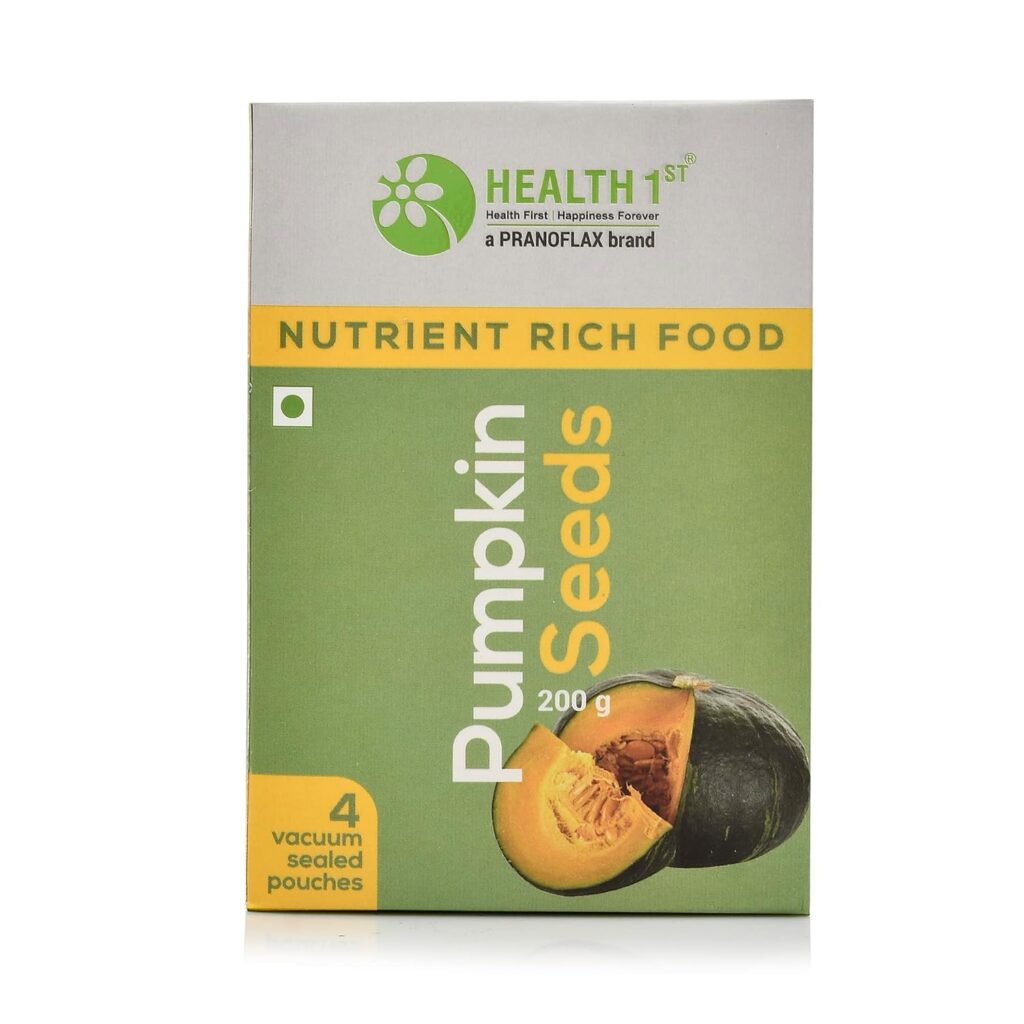
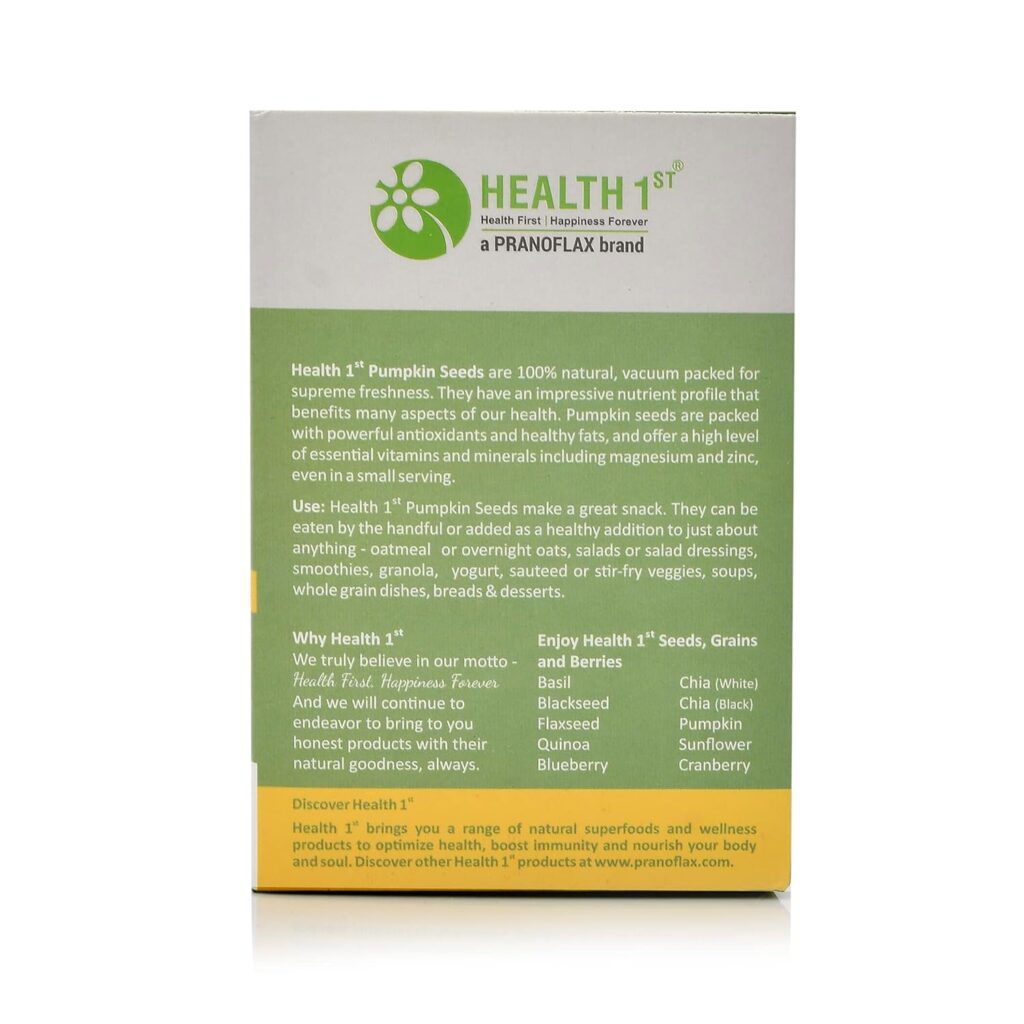
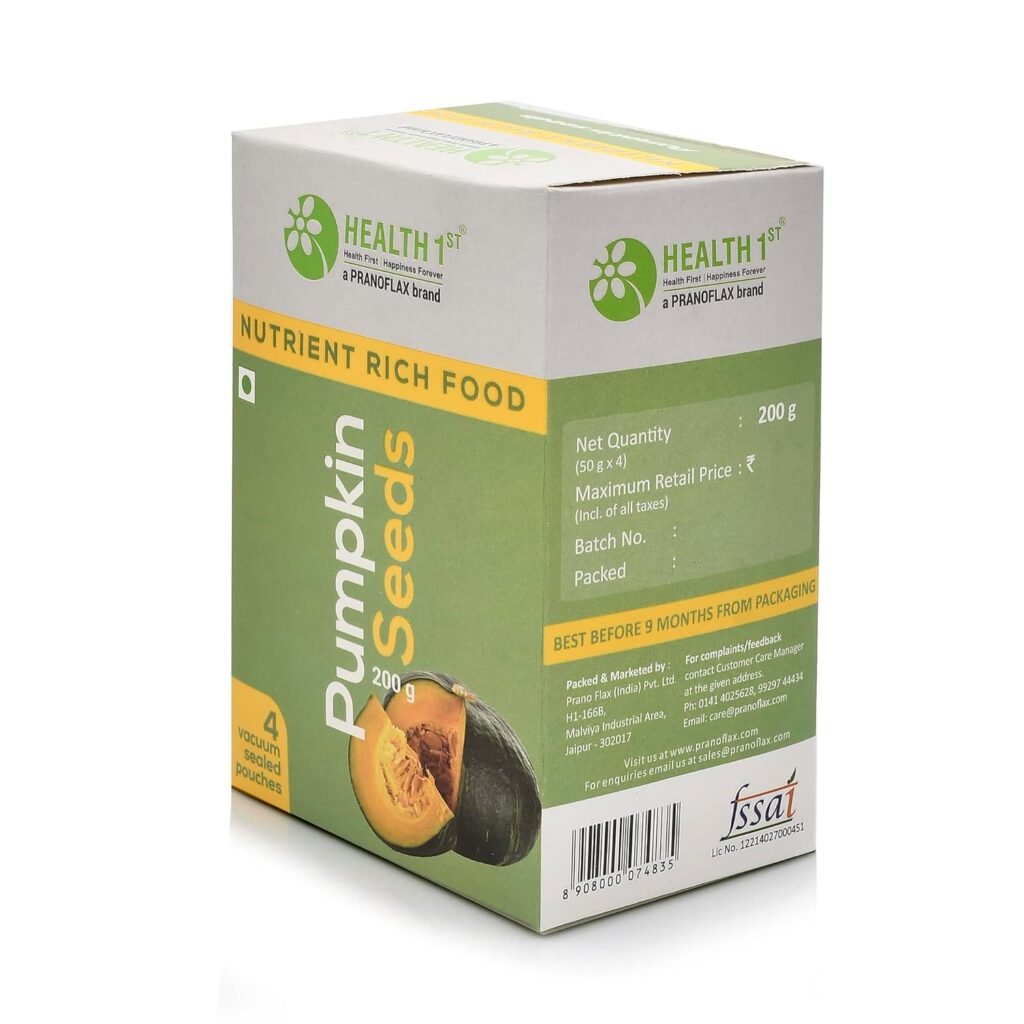
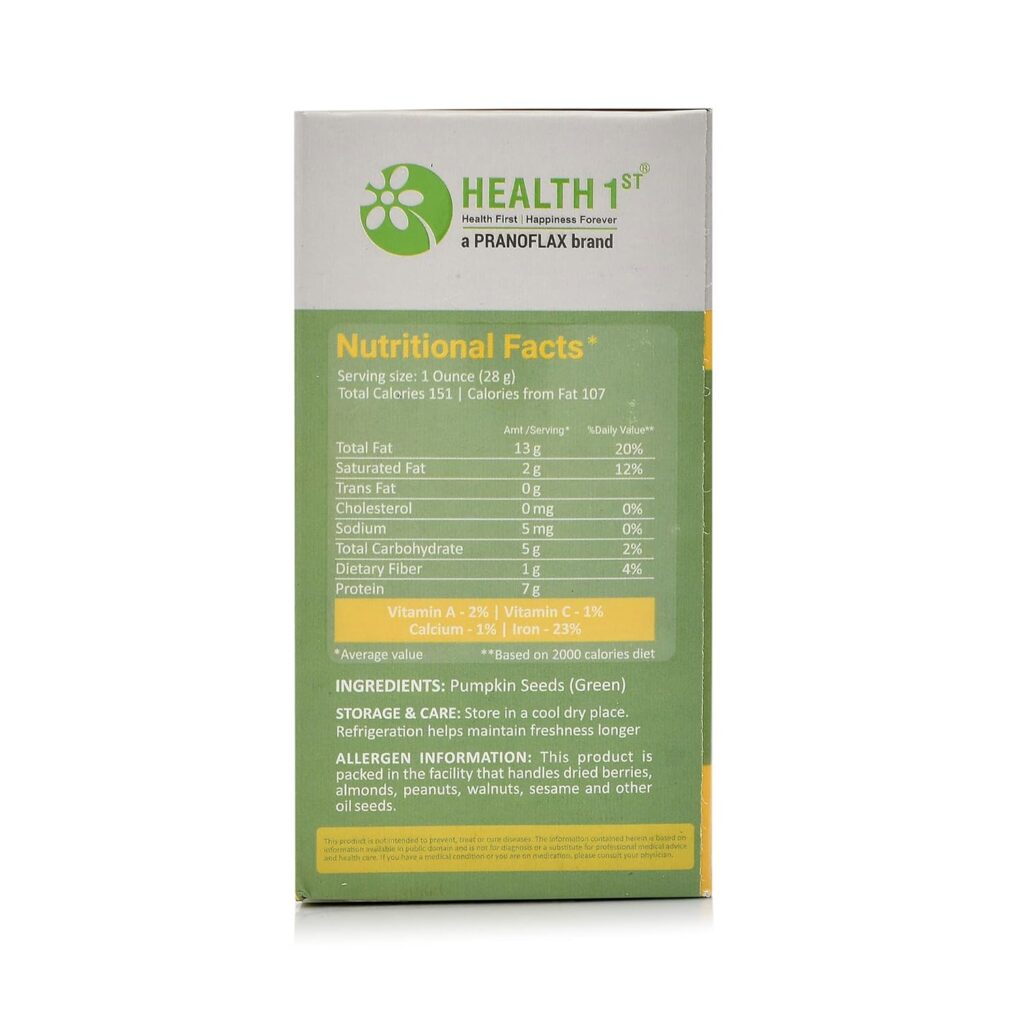
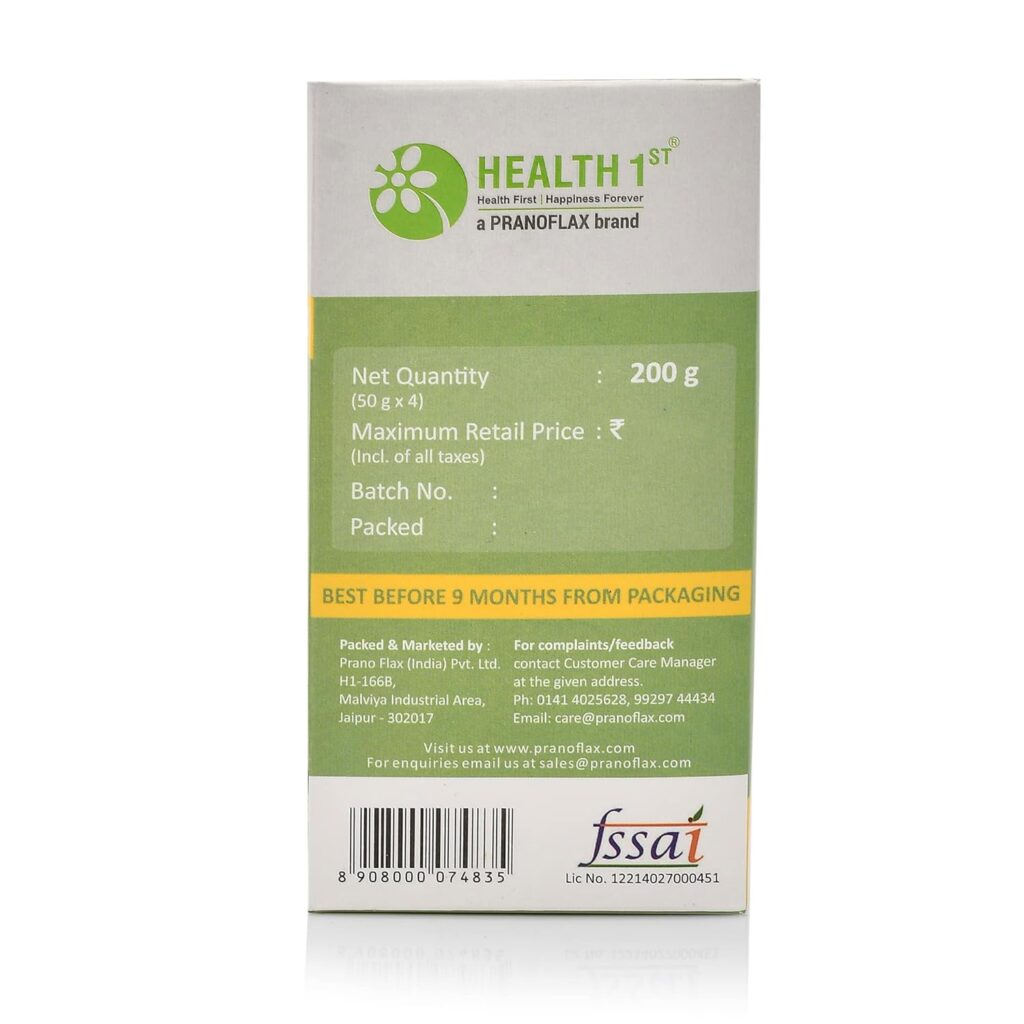
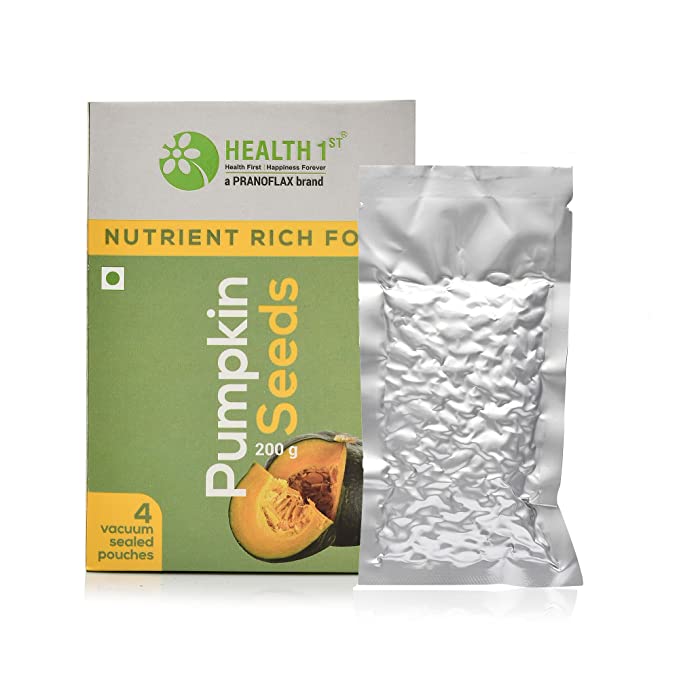
Pumpkin Seed
Discover the supreme freshness of Health 1st Pumpkin Seeds! Unprocessed and 100% natural, these seeds are a powerhouse of antioxidants and healthy fats. Packed with essential vitamins and minerals like magnesium and zinc, they support your overall health. Enjoy them as a snack or add them to your favorite dishes, from oatmeal to salads, smoothies to soups. Gluten-free, dairy-free, and free from additives or preservatives, these pumpkin seeds are the perfect addition to your wholesome lifestyle. Store them in a cool, dry place or refrigerate after opening for prolonged freshness. Elevate your nutrition with Health 1st Pumpkin Seeds!
Conclusion
So, are pumpkin seeds good for gut health?
Pumpkin seeds can be a useful part of a gut-friendly diet because they provide dietary fibre and help increase plant-food variety.
Their fibre can contribute to normal bowel function, while their plant protein, unsaturated fats and minerals add to their overall nutritional value.
The key is moderation.
Eat a sensible portion, maintain adequate hydration and combine pumpkin seeds with a variety of other fibre-rich foods.
Rather than treating pumpkin seeds as a digestive cure, think of them as one nutritious ingredient that can contribute to a balanced, varied diet.
0 Comments