
Did you know over 50% of the world eats rice as their main food? Rice is good, but browntop millet is getting more attention. This article compares rice and millet, looking at their health benefits and how they taste.
Millet is packed with nutrients and is great for your health. It’s also very versatile in cooking. With health issues like diabetes and obesity on the rise, choosing the right grains is key. Let’s explore why millet is a top choice for a healthy diet.
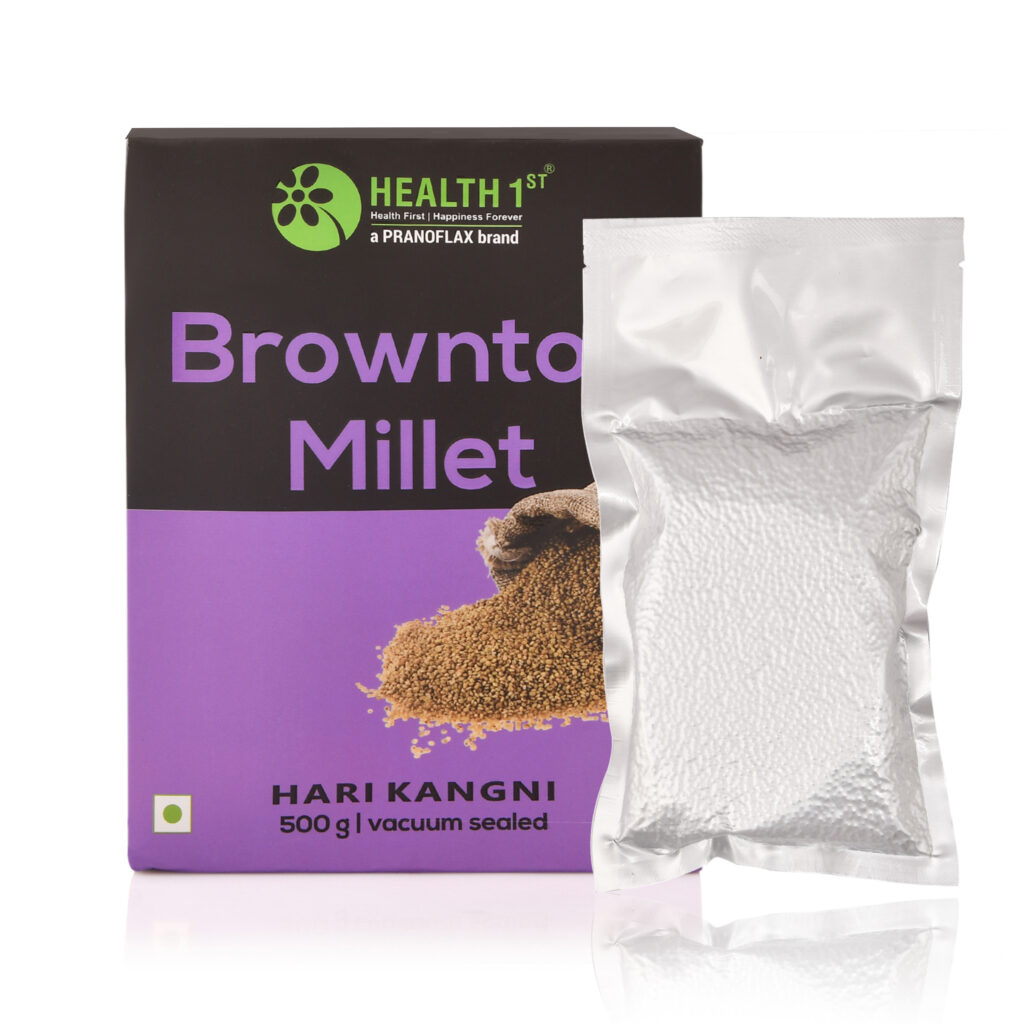
Key Takeaways
- Browntop millet is gaining attention as a nutritious alternative to rice.
- Understanding millet nutrition can aid in managing health conditions.
- Incorporating different healthy grains can diversify your diet.
- Both grains play significant roles in culinary traditions across India.
- Evaluating each grain’s impact on health is essential for diet management.
Introduction to Browntop Millet and Rice
Browntop millet is a small-seeded grain from India, grown for centuries. It’s known for its resilience and nutritional value. Rice, on the other hand, is a staple food worldwide, with a long history.
Rice is more than just food; it’s a key part of many cultures and traditions. Both millet and rice are essential for a healthy diet. They provide important nutrients and energy. They also hold a special place in Indian cuisine, loved by many.
Nutritional Comparison of Browntop Millet and Rice
The nutritional values of browntop millet and rice show big differences. These differences help people make better food choices. Here’s a detailed look at the calories, protein, fats, and carbs of both grains.
Caloric Value
100 grams of cooked browntop millet has about 119 calories. White rice, on the other hand, has around 300 calories. This makes millet a better choice for those watching their calories.
Protein Content
Millet has about 3.51 grams of protein per 100 grams. Rice has about 2.69 grams. Millet is a good option for those who want more protein from grains.
Fats and Carbohydrates
Millet has 1 gram of fat and 23.7 grams of carbs. Rice has less fat, at 0.28 grams, but more carbs, at 28.2 grams. These facts help you see why millet might be a better choice for some meals.
Glycemic Index: Browntop Millet vs Rice
The glycemic index of grains is key in how they affect blood sugar. For people with diabetes, knowing this can greatly impact their food choices. Browntop millet has a lower glycemic index than rice, making it better for those with diabetes.
This means browntop millet causes blood sugar to rise more slowly. This helps in controlling blood sugar levels better. Rice, with a medium glycemic index, can cause blood sugar to spike faster.
This is something to think about for those wanting a healthy diet with stable blood sugar. Choosing between these grains is important, not just for health but for those with diabetes looking for better food options.
Health Benefits of Browntop Millet
Browntop millet is great for your health. It’s perfect for those wanting to feel better. This ancient grain helps with diabetes and weight loss, thanks to its fiber.
Diabetes Management
Millet is good for diabetes. It has a low glycemic index. This means it releases sugars slowly, keeping blood sugar stable. Eating millet often can help control diabetes.
Weight Loss and Satiety
Millet’s fiber helps you feel full longer. This can lead to eating less and losing weight. Choosing millet over other grains can help manage your appetite and aid in weight loss.
Nutritional Advantages Over Rice
Millet is better than rice in many ways. It has more iron and magnesium, which are good for your health. Millet is a better choice for those looking to improve their nutrition.
Cooking and Culinary Uses of Browntop Millet
Browntop millet is great for health-conscious eaters. It’s a tasty alternative to regular grains. You can make savory dishes and sweet treats with it. It’s perfect for adding nutrition to your meals.
Popular Millet Recipes
Try making millet khichdi, millet upma, or millet dosa. These dishes are like rice-based ones but healthier. They show how versatile millet is and let you play with flavors and textures.
Substituting Rice with Browntop Millet
You can use browntop millet as a rice substitute in many Indian dishes. It’s great in pulao or biryani. It adds fiber and nutrients, making your meals healthier.
Dietary Considerations: Gluten-Free and Vegan Options
Browntop millet is great for those with dietary restrictions. It’s naturally gluten-free, perfect for people with gluten intolerance or celiac disease. Adding gluten-free millet to your meals can make your diet more varied and healthy.
For vegans, browntop millet is a key ingredient. It’s a good source of plant-based protein, helping vegans meet their nutritional needs. This grain is versatile and nutritious, ensuring vegan meals are both fulfilling and balanced.
Impact on Cardiovascular Health
Browntop millet is a heart-healthy grain that boosts cardiovascular health. It’s packed with fiber and nutrients that help the heart. Eating millet can help manage cholesterol levels, reducing the risk of heart disease.
Millet’s Role in Heart Health
This grain is linked to better cholesterol levels and heart health. Studies show that millet’s fiber lowers bad cholesterol. Adding millet to your diet can help manage cholesterol and keep your heart strong.
Millet Farming vs Rice Farming
Millet and rice farming have different effects on the environment. Millet, like browntop millet, is better for the planet than rice. This choice is good for both consumers and farmers looking for sustainable options.
Environmental Sustainability
Millet needs less water than rice, which is great for areas with little water. It also supports sustainable farming, which means less use of harmful chemicals. This helps keep ecosystems healthy and supports many species, unlike rice farming which uses a lot of water and chemicals.
Impact on Soil Health
Millet farming is good for the soil. Its deep roots help the soil breathe and prevent erosion. It also helps keep nutrients in the soil, reducing the need for harmful chemicals. Rice farming can harm the soil if not done right, but millet farming helps improve soil health over time.
Cultural Significance of Rice and Browntop Millet in India
Grains have been important in India for centuries. They shape what we eat and how we celebrate. Rice is a key player, loved for its many uses and role in special events and everyday meals.
Rice is more than food; it’s a symbol of wealth and nourishment. It brings people together, making meals more than just a time to eat.
Millet, once less popular, is now gaining attention for its health benefits. Browntop millet and others are being praised for their nutritional value and ability to grow in tough weather. They’re being used in new ways, blending old traditions with modern tastes.
Both rice and millet are essential in Indian cuisine. They help define the flavors and dishes of different areas. Millet’s comeback shows a desire to keep traditional grain heritage alive, making India’s food culture richer.
Consumer Preferences: Rice or Browntop Millet?
When we look at browntop millet and rice, it’s key to understand what people like. Taste, how familiar it is, and health benefits play big roles. Rice has been a staple in many homes for years, creating a deep bond in cooking traditions.
But, millet is becoming more popular as people learn about its health perks. It’s rich in fiber, packed with nutrients, and has a lower sugar level. This makes it a great choice for those looking for a healthier option.
More and more, people are choosing millet over rice. They enjoy its distinct taste and texture. This change shows a growing interest in healthier eating and a desire to try new foods.
Conclusion
Browntop millet is a great choice over rice for those focusing on health. It has more protein and a lower glycemic index. This makes it a top pick for healthier grains.
This millet is also very versatile in cooking. It can be used in many dishes, making it easy to add to your meals. This helps in making better dietary choices.
While both grains are good, browntop millet seems to be the better choice for many. It encourages a balanced diet. By choosing millet, people can enjoy nutritious meals that are good for their health.
0 Comments