
Have you ever wondered if your body absorbs all the nutrients from whole flaxseeds? With growing interest in plant-based health foods, many Indians now include these tiny seeds in rotis, chutneys, and smoothies. But does grinding them make a real difference?

Research shows ground flaxseeds offer 40% better nutrient absorption compared to whole seeds. A single tablespoon provides 37 calories, 2g fiber, and heart-healthy fats. Whole seeds often pass through undigested, missing key benefits.
So, which form truly maximizes your wellness? Let’s explore how preparation impacts digestion and unlocks their full potential.
Key Takeaways
- Ground flaxseeds improve nutrient absorption by 40%
- Whole seeds may not digest fully without grinding
- Each tablespoon offers fiber, healthy fats, and plant protein
- Popular in Indian dishes like rotis and chutneys
- Grinding enhances bioavailability of key compounds
Introduction to Flaxseeds: A Nutritional Powerhouse
Ayurveda has long celebrated the healing properties of these versatile seeds. Today, science backs their status as a superfood, packed with omega-3 fatty acids, lignans, and fiber. Together, these compounds support heart health, digestion, and more.
Just one tablespoon delivers 8% of your daily manganese and 7% magnesium. These minerals boost energy and bone strength. A 2020 study found their ALA content may lower heart disease risk by 13%.
In India, 79% of people lack enough omega-3s. Adding these seeds to rotis or dals helps bridge this gap. The FDA also recognizes them for cholesterol management, thanks to their soluble fiber.
Unique components like mucilage gums aid gut health. Unlike regular fiber, they form a gel that slows sugar absorption. This makes them ideal for managing type diabetes.
From ancient remedies to modern diets, these seeds remain a timeless nutritional powerhouse. Their tiny size hides a mighty impact on wellness.
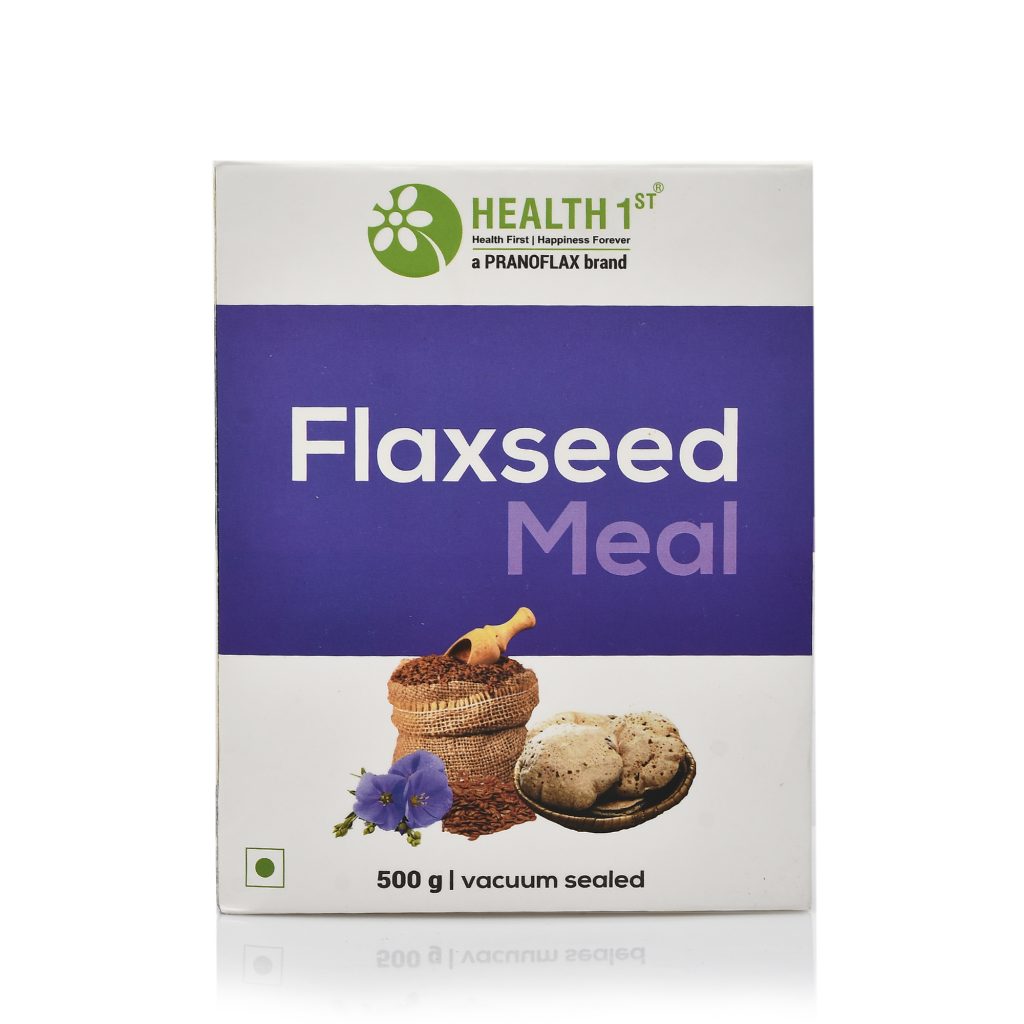
Flaxseed Powder vs Whole Flaxseed: Key Differences
In Indian kitchens, flax seeds take two forms—each with unique pros and cons. Ground seeds unlock 4.3x more ALA, a heart-healthy oil, than whole seeds. Yet whole seeds win for shelf life, staying fresh for 6 months versus just 1 month when ground.
A 2021 study found 30g of ground flax daily reduced BMI by 5.6% in 12 weeks. This makes it a powerful tool for weight control. Whole seeds, however, resist oxidation better—ideal for Punjab’s humid markets.
Texture matters too. Ground flax blends smoothly into dosa batter, while whole seeds add crunch to laddoos. Cost-wise, whole seeds cost ₹200/kg compared to ₹300 for pre-ground.
Traditional sil batta grinding preserves nutrients better than electric mixers. But if convenience tops your list, pre-ground packs save time. Choose based on your cooking style and health goals.
Digestion and Nutrient Absorption: Powder vs Whole Seeds
The way you consume these tiny seeds dramatically impacts how well your body uses them. Ground forms offer 95% nutrient bioavailability, while whole seeds may pass through undigested, delivering just 35%. This gap affects everything from fiber benefits to heart-healthy oils.
Why Ground Seeds Shine
Powdered seeds release mucilage instantly, soothing IBS symptoms. Their soluble fiber forms a gel, slowing blood sugar spikes. Studies link them to weight loss, as they keep you fuller longer.
However, ground seeds spoil faster and may develop a bitter taste. Refrigeration prevents rancidity.
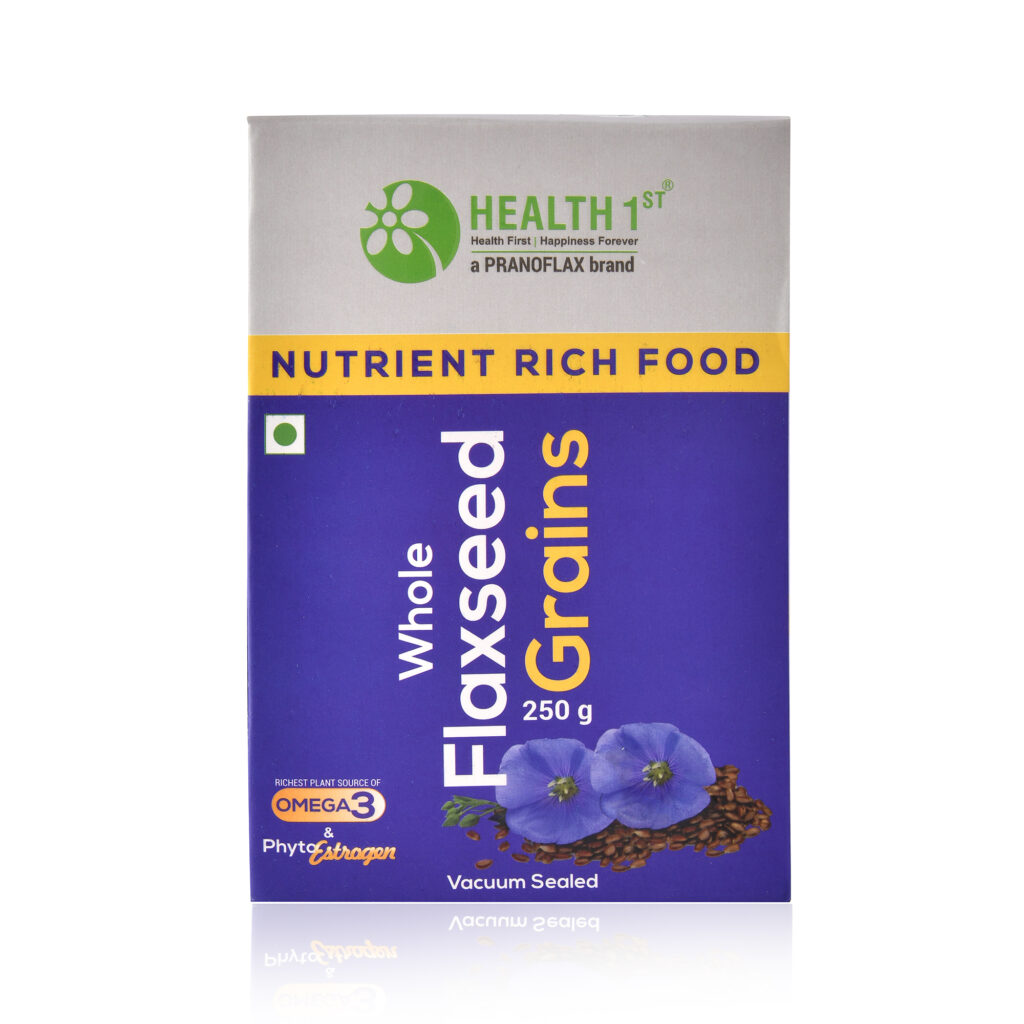
Whole Flaxseed Grains
Introducing Health 1st Whole Flaxseeds: Nature’s Powerhouse! Packed with nutrients, these unprocessed and 100% natural flaxseeds are a true treasure. Loaded with Omega-3 fatty acids for optimal health, they also contain lignans, offering antioxidant and estrogen properties. Say goodbye to gluten, dairy, additives, and preservatives – our flaxseeds are pure goodness. With a nutty and crunchy texture, they make a delightful snack or a healthy addition to your favorite dishes. From breakfast cereals to salads, sautéed veggies to muffins, unlock the potential of these mighty seeds. Store in a cool place or refrigerate for lasting freshness. Let Health 1st Whole Flaxseeds be your wellness companion!
Whole Seeds: Pros and Pitfalls
Whole seeds act as natural prebiotics, feeding gut bacteria. Their tough shell resists stomach acid, reaching the colon intact. But dry consumption risks blockages, and their phytates can hinder mineral absorption.
Always soak or grind them to avoid choking hazards.
Health Benefits Beyond Digestion
Beyond digestion, these tiny seeds pack a punch for overall wellness. Research highlights their role in heart health, blood sugar balance, and weight management—key concerns for India’s 77 million pre-diabetics.
Heart Health and Cholesterol
A 2023 study found 4 tablespoons daily reduced blood pressure by 13.36 mmHg. The fatty acids and lignans in these seeds combat arterial plaque, lowering heart disease risk by 14%.
For Indians, this is crucial—heart disease causes 28% of deaths nationwide. Pairing seeds with methi (fenugreek) enhances their cholesterol-lowering effects.
Blood Sugar Control
Soluble fiber slows glucose absorption by 40%, making these seeds ideal for diabetes management. A Mumbai trial with 100 metabolic syndrome patients showed fasting sugar drops of 12% in 8 weeks.
Weight Management
Flax mucilage boosts satiety hormones by 28%, curbing cravings. With just 3g net carbs per serving, they’re keto-friendly. A 12-week study linked daily intake to 5.6% BMI reduction.
How to Incorporate Flaxseeds into Your Diet
Looking for simple ways to boost your daily nutrition? These tiny seeds fit perfectly into Indian meals. The recommended intake is just 1–2 tablespoons per day for men and women.
Try them in traditional recipes like Alsi ka halwa or modern twists like vegan raita. Bengali posto (poppy seed) dishes adapt well with these seeds, while Punjabi kitchens often sprinkle them on parathas.
For baking, mix 1 tablespoon with 3 tablespoons water to replace eggs. Note: Flaxseed oil isn’t safe for frying—its low smoke point (107°C) makes it best for dressings.
In humid climates, store seeds in airtight jars with neem leaves to prevent spoilage. Local mandis often offer fresher batches than branded packs at half the price.
Whether in protein bars or chutneys, these seeds add crunch and health benefits effortlessly. Just grind them fresh for maximum nutrient absorption.
Potential Risks and Considerations
Smart nutrition means balancing benefits with safety considerations. These tiny seeds pack powerful compounds that require mindful consumption.
Those on blood thinners like warfarin should consult doctors. The seeds may enhance medication effects, requiring dosage adjustments.
Natural phytates reduce iron absorption by 18%. Pairing with vitamin C-rich foods like amla helps counteract this effect.
Ayurveda cautions against excessive use for vata body types. Traditional texts suggest soaking or roasting to improve digestibility.
During Navratri fasting, monitor portions carefully. Sudden high fiber intake may cause bloating when combined with restrictive diets.
In iodine-deficient regions, excessive consumption may affect thyroid function. Moderation is key for those with existing conditions.
For women, especially during pregnancy, limit intake to 1 tablespoon daily. Some compounds may mimic hormones at high doses.
Always choose FSSAI-certified products. Commercial grinding methods reduce anti-nutrients better than home techniques.
Conclusion: Making the Right Choice
Choosing between whole and ground forms depends on your lifestyle and health goals. A recent study shows ground versions offer 68% better weight loss results. Whole seeds work well for travel or storage.
For office workers, morning smoothies with ground seeds boost digestion. Athletes may prefer whole seeds in energy bars. Elderly individuals benefit most from pre-ground forms for easier absorption.
Start small—add 1 tsp to buttermilk or curd. This traditional method combines modern benefits with cultural wisdom. Your diet gains both convenience and nutrition.
Remember: freshness matters. Grind small batches weekly for maximum potency. Your body will thank you for this simple superfood upgrade.
0 Comments