
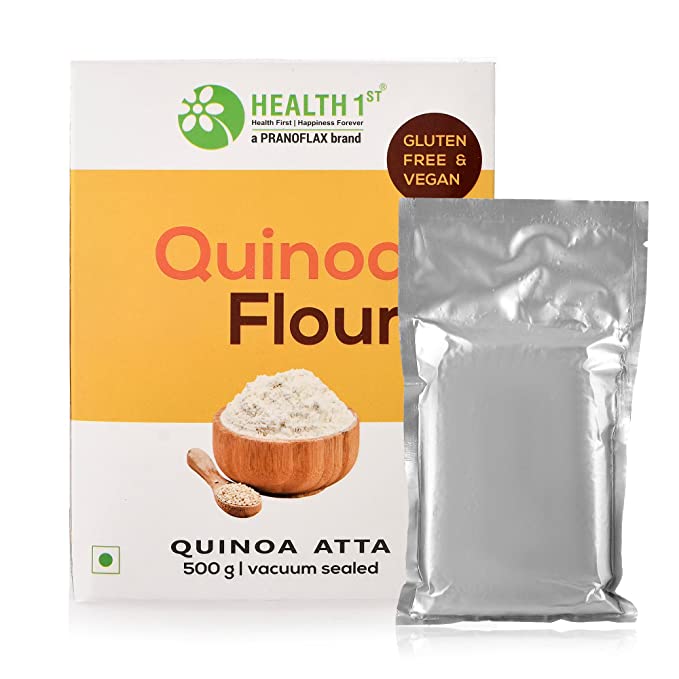
Did you know over 1 in 4 people worldwide are looking for gluten-free foods? This trend shows how important it is to know the health benefits of options like quinoa flour and wheat flour. Quinoa flour, made from the ancient quinoa seed, has more protein and fiber. It’s great for those wanting to add nutritious ingredients to their meals.
Wheat flour, on the other hand, is a favorite in many homes for its use in traditional cooking. In this article, we’ll look at which flour might be better for you, focusing on gluten-free options.
Key Takeaways
- Quinoa flour is rich in protein and fiber, providing many health benefits.
- Wheat flour is a common ingredient in traditional recipes around the world.
- Many people are choosing gluten-free flour options for health reasons.
- Nutritional comparison highlights the differences between quinoa and wheat flour.
- Knowing about flour choices helps support better dietary health.
Introduction to Alternative Flours
The world of cooking is changing fast, thanks to health-conscious consumers. Traditional flours often lack the nutrients we need. This has sparked a demand for gluten-free flour options.
People are now using flours like quinoa, almond, and coconut in their baking. These flours not only fit gluten-free diets but also make baked goods healthier. They bring unique flavors and textures to our cooking.
As more people try these flours, home bakers and chefs are excited to experiment. This makes baking healthier a possibility for all of us.
Understanding Nutritional Profiles
When we compare quinoa flour and wheat flour, looking at their nutritional profiles is key. Quinoa flour is a standout among protein-rich flours. It offers a complete protein source with all essential amino acids the body needs. This makes it great for vegetarians and anyone wanting to boost their protein.
Wheat flour, on the other hand, has its own nutritional strengths. It has more thiamin and niacin, which help with energy. Even though quinoa and wheat flour have different nutrients, they both have unique benefits.
Knowing about these nutritional profiles helps us make better food choices. Whether we choose quinoa flour for its complete protein or wheat flour for its vitamins, we make informed decisions. This knowledge leads to healthier eating habits.

Quinoa Flour: A Nutritional Powerhouse
Quinoa flour is a standout ingredient that boosts your diet’s health. It’s packed with nutrients, making it a hit among health buffs. This flour is more than just a substitute for regular flours; it’s a treasure trove of essential nutrients that can boost your well-being.
Complete Protein Source
Quinoa flour is known for being a complete protein. It has all nine essential amino acids, unlike many plant-based proteins. This makes it perfect for vegetarians and vegans. Adding quinoa flour to your meals ensures you get enough protein in a tasty way.
Rich in Essential Minerals
This flour is full of minerals that are vital for health. It’s rich in iron, potassium, and magnesium. These minerals help with energy, muscle function, and overall health. Using quinoa flour in your cooking can improve your nutrient intake, boosting your energy and vitality.
Wheat Flour: A Traditional Favorite
Wheat flour is a key ingredient in many homes. It’s loved for its ability to be used in many ways. There are different types of flour, each with its own texture and taste. Knowing about these differences can change how food tastes and how healthy it is.
Flour Types and Their Nutritional Value
Wheat flour comes in three main types: all-purpose, whole wheat, and refined. Each type has its own nutritional benefits. This is because of how they are processed and milled.
| Flour Type | Nutritional Information (per 100g) | Key Characteristics |
|---|---|---|
| All-Purpose Flour | Calories: 364 Protein: 10g Fiber: 2g | Versatile and finely milled; suitable for baking and cooking. |
| Whole Wheat Flour | Calories: 340 Protein: 13g Fiber: 12g | Contains bran and germ, retaining more nutrients and fiber. |
| Refined Wheat Flour | Calories: 366 Protein: 10g Fiber: 3g | Processed flour that lacks bran and germ; lower in fiber and nutrients. |
Whole Wheat vs. Refined Wheat Flour
Choosing between whole wheat and refined wheat flour matters a lot for health. Whole wheat flour keeps more nutrients and fiber, which are lost in refined flour. This extra fiber helps with digestion and can help with weight control. People looking to improve their health should pick whole wheat flour over refined flour.
Gluten-free Benefits of Quinoa Flour
Quinoa flour is a great choice for those on gluten-free diets. It’s made from ground quinoa seeds. This flour is a tasty and healthy substitute for wheat flour, perfect for baking and cooking.
It has a unique taste and texture that can make any recipe better. From pancakes to bread, it’s a versatile ingredient. It’s also a good option for those with gluten sensitivities or celiac disease.
Using quinoa flour lets these individuals enjoy tasty baked goods without gluten’s negative effects. It supports a gluten-free lifestyle and offers health benefits. It’s a nutritious choice for anyone looking to make their meals healthier.
Quinoa Flour vs Wheat Flour: A Nutrient Comparison
Looking at quinoa flour and wheat flour, we see key differences in calories and carbs. Knowing these can help us choose the right flour for our health goals.
Calories and Carbohydrate Content
Quinoa flour has fewer calories than wheat flour, which is good for weight control. It also has less carbs, making it a lighter option but packed with nutrients. Here’s a look at the calories and carbs in 100 grams of each:
| Flour Type | Calories | Carbohydrates (g) |
|---|---|---|
| Quinoa Flour | 368 | 64 |
| Wheat Flour | 364 | 76 |
Fiber and Protein Content
Fiber and protein are also important in this comparison. Quinoa flour has more fiber than wheat flour, which is good for digestion. It also has all the amino acids we need, making it very nutritious. Here’s a comparison of fiber and protein in 100 grams:
| Flour Type | Fiber (g) | Protein (g) |
|---|---|---|
| Quinoa Flour | 7 | 14 |
| Wheat Flour | 3.2 | 10 |
Knowing these differences helps us manage our weight and make better food choices. With this info, we can pick the flour that’s best for our diet.
Health Implications of Using Quinoa Flour
Quinoa flour is good for your health in many ways. It has a lot of fiber, which helps your digestive system work better. This makes it great for people who want to improve their gut health. It also helps manage blood sugar levels, which is good for those watching their glucose.
Improving Digestive Health
Fiber is key for a healthy gut. Quinoa flour is full of fiber, which helps you go to the bathroom regularly and avoid constipation. Eating foods high in fiber also helps your gut bacteria grow, keeping your digestive system balanced.
Benefits for Blood Sugar Management
Quinoa flour is also good for blood sugar control. Its fiber slows down how quickly sugar is absorbed, giving you energy over time. This helps prevent sudden spikes in blood sugar, which is good for people with insulin issues or diabetes.
Baking with Quinoa Flour: Tips and Tricks
Baking with quinoa flour is a world of tasty adventures. It’s great for making everything from bread to cookies. To get the right taste and texture, you might need to tweak the recipe a bit. Usually, you can swap 25-50% of wheat flour with quinoa without losing quality.
Think about what you’re baking. For bread, eggs or flaxseed can help it hold together better. But cookies are more flexible. Mixing quinoa flour with other flours can make them extra special.
To make quinoa flour taste better, try toasting it lightly. This trick cuts down on bitterness and brings out a nutty flavor. Adding spices like cinnamon or vanilla can also make your creations even more delicious.
The secret to baking with quinoa flour is to keep trying and tweaking. With time, you’ll make all sorts of tasty dishes. Whether you want to try something new or just mix things up, quinoa flour is a great choice for your kitchen.
Buying and Storing Quinoa Flour
When you buy quinoa flour, choose high-quality options for the best health benefits. Opt for organic quinoa flour to avoid pesticides and harmful chemicals. Sattvic Foods is a great brand that focuses on sustainable farming.
Proper storage of quinoa flour is key to keeping it fresh. Store it in airtight containers to prevent moisture and pests. Keep the container in a cool, dry place to extend its shelf life. Always check the flour’s quality and expiration date before buying.
Conclusion
Quinoa flour is a great choice for those looking to improve their diet. It’s packed with protein and minerals, making it a good option for everyone. It’s also gluten-free and high in fiber, which is great for health.
Quinoa flour is very versatile. You can use it in many recipes, from sweet treats to savory dishes. It’s a great way to make your meals healthier and more interesting.
Adding quinoa flour to your cooking can really help you reach your health goals. It’s a nutritious and powerful ingredient. So, try using quinoa flour in your recipes and enjoy the health benefits it brings.
0 Comments