
Quinoa flour is a great gluten-free choice that adds nutrition and flavor to your cooking. To keep it fresh, knowing how to store it is key. By following the right steps, you can make sure your flour stays fresh and flavorful for longer.
This guide will show you the best ways to store quinoa flour. You’ll learn how to keep its nutty taste and quality for all your recipes.
Key Takeaways
- Quinoa flour is nutritious and gluten-free.
- Proper storage methods extend shelf life.
- Airtight containers are ideal for storage.
- Control moisture to prevent spoilage.
- Room temperature is generally suitable for storage.
- Refrigeration can enhance freshness.
- Signs of spoilage include off smells and discoloration.
Understanding Quinoa Flour
Quinoa flour is made from grinding quinoa seeds. Quinoa is a grain-like seed packed with nutrients. It’s gluten-free, making it great for those with gluten issues.
Quinoa flour is a powerhouse of protein, fiber, and amino acids. These nutrients are vital for our bodies. It’s a fantastic choice for a healthy diet.
This flour is versatile in cooking, adding a nutty taste to foods. It’s perfect for baking and thickening sauces. Knowing how to use quinoa flour can enhance your meals.
Storing quinoa flour right keeps it fresh and nutritious. This way, you can enjoy its health benefits for longer.
Benefits of Quinoa Flour
Adding quinoa flour to your meals can boost your health in many ways. It has more complete proteins than most grains, which is great for vegetarians and vegans. It’s packed with essential amino acids, vitamins, and minerals, helping you stay balanced
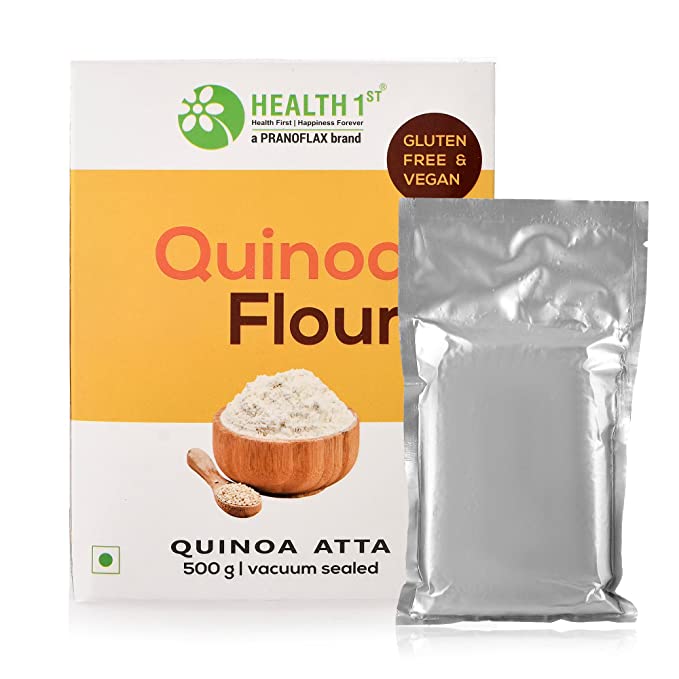
Quinoa flour is also a great choice for those who can’t eat gluten. Pranoflax ensures vacuum-sealed packaging, but proper storage at home helps retain its freshness and nutty flavor.
The Importance of Proper Storage
Storing quinoa flour right is key to keeping it fresh and full of nutrients. The right storage is very important for the quality of your food. Moisture, light, and air can make the flour go bad, losing its taste and nutrients.
Using good storage methods helps keep your flour fresh. This way, your quinoa flour stays good and healthy, just like when you first opened it.
Choose a cool, dark spot for your flour. Using airtight containers helps keep it dry. Knowing how to store flour well supports healthy eating and makes cooking better.
Choosing the Right Container for Quinoa Flour
Choosing the right container for flour storage is key to keeping quinoa flour fresh. The right container keeps the flour away from moisture, air, and contaminants. This ensures it stays fresh for a longer time. An airtight container is vital for keeping flavors and preventing spoilage.
Benefits of Airtight Containers
Airtight containers are great for storing quinoa flour. They block moisture and air, which can make flour stale or moldy. Using airtight containers helps your flour last longer, reducing waste and keeping it good for recipes.
Glass vs. Plastic Storage Options
Both glass and plastic containers are good for flour storage. Glass containers are popular for being chemical-free and looking nice. They also keep odors out of the flour. Plastic containers are lighter and cheaper, but they must be airtight to work well. Your choice depends on what you like, your budget, and how much space you have.
| Container Type | Airtight | Odor Resistance | Weight | Cost |
|---|---|---|---|---|
| Glass | Yes | High | Heavy | Moderate to High |
| Plastic | Yes (if high quality) | Moderate | Lightweight | Low to Moderate |
Moisture Control in Storage
Keeping flour dry is key to its quality and how long it lasts. Quinoa flour, like others, doesn’t like too much moisture. Too much can cause clumps, spoilage, and even mold. So, it’s important to store quinoa flour in a cool, dry spot.
Understanding Humidity Effects on Flour
High humidity can really hurt flour quality. It makes flour absorb moisture and lose its texture. Keeping your storage area dry and well-ventilated helps. This way, your flour stays good for baking and cooking.
Using Desiccants for Extra Protection
Using desiccants is a smart move to protect your flour. Things like silica gel packs soak up extra moisture. Adding desiccants to your storage keeps your quinoa flour dry and fresh.
Optimal Temperature for Storing Quinoa Flour
Keeping quinoa flour at the right temperature is key to its freshness and nutritional value. The ideal storage temperature is between 60°F to 75°F (15°C to 24°C). This range keeps the flour fresh by preventing moisture absorption and preserving its taste and texture.
Big changes in temperature can cause moisture buildup, which harms the flour’s quality. So, it’s best to keep quinoa flour away from heat sources like ovens or direct sunlight. Storing it in a dedicated pantry or cupboard helps maintain the best temperature, reducing the negative effects of temperature changes.
By following these tips, you can make your quinoa flour last longer. This means you can enjoy its benefits in your cooking and baking for a longer time.
Refrigeration: Is it Necessary?
Many wonder if they should refrigerate flour. The answer depends on your kitchen’s storage and your location’s climate. Refrigeration helps keep quinoa flour fresh, which is important in warm places where mold can grow.
Benefits of Refrigerating Quinoa Flour
Refrigerating quinoa flour stops mold and slows down spoilage. The cold keeps moisture out, keeping the flour fresh. This is great for long-term storage, perfect for bulk buyers.
How to Properly Refrigerate Flour
To store quinoa flour right, use an airtight container. This keeps moisture out and prevents clumps or bad smells. Let the flour come to room temperature before using it. This ensures it works well in recipes.
Long-Term Storage Solutions
Freezing is the best way to store quinoa flour for a long time. It keeps the flour’s nutrients and makes it last longer. To freeze it right, put it in a tight container or a bag that’s safe for the freezer. This keeps moisture and air out, keeping the flour good for up to a year.
Freezing Quinoa Flour
Here’s how to freeze flour well:
- Make sure the container is airtight to avoid freezer burn.
- Write the date on the container so you know when it’s fresh.
- Put the flour in the coldest part of the freezer.
Thawing Tips for Quality
When you’re ready to use your frozen quinoa flour, thaw it carefully:
- Let it thaw slowly at room temperature, keeping it sealed.
- This way, you avoid moisture and keep its flavor strong.
- Use the flour right after thawing for the best taste.
Signs of Spoilage in Quinoa Flour
It’s important to watch for signs of spoilage in flour to keep it fresh. Start by smelling the flour. If it smells off or rancid, it’s likely spoiled. Also, check for color changes. Fresh flour is light beige, but any discoloration means it’s gone bad.
Look at the flour’s texture too. Clumps or moisture mean it’s spoiled. Good flour stays dry and flows easily. Checking regularly helps you spot bad flour before it ruins your recipes. If unsure, it’s best to throw away any questionable flour to protect your cooking.

| Spoilage Signs | Indicators |
|---|---|
| Off Smells | Rancid or musty odors |
| Color Changes | Dark shadows or unusual tones |
| Texture Issues | Clumping or moisture presence |
How to Keep Flour Fresh
Keeping quinoa flour fresh is key to its quality and taste. Store it in airtight containers to keep moisture out. Use glass or BPA-free plastic containers for safety and durability.
Temperature is important for flour storage. Keep it in a cool, dark place. Heat and sunlight can cause it to spoil faster. Avoid storing flour near the stove or windows.
Use the first-in, first-out method to avoid old flour. This way, you use the newest flour first. Check for signs of spoilage like bad smells or color changes.
If you buy flour in bulk, freeze it to keep it fresh longer. Use an airtight container to avoid freezer burn. These steps make keeping quinoa flour fresh easy and simple.
| Storage Method | Benefits | Challenges |
|---|---|---|
| Airtight Containers | Prevents moisture absorption | Requires proper sealing |
| Cool, Dark Locations | Maintains quality over time | Limited accessibility |
| Freezing | Extends shelf life significantly | Need for thawing before use |
Creative Uses for Quinoa Flour
Quinoa flour is a great ingredient that can change up many recipes. It adds a special touch to dishes and is good for you because it’s gluten-free. You can use it to make pancakes, cookies, or even gluten-free bread. It makes flavors and textures better.
Using quinoa flour lets you try new things in the kitchen. Mixing it with almond flour or rice flour can make baked goods taste rich and nutty. This makes it easy to make tasty treats that are good for you.
Some popular uses for quinoa flour include:
- Pancakes and waffles for breakfast, adding dietary fiber and protein.
- Cookie recipes that provide a chewy texture with a hint of nuttiness.
- Thickening sauces, a gluten-free alternative to traditional options.
- Gluten-free bread with a unique taste and extra nutrition.
Trying out these ideas can lead to new meals and inspire others to use quinoa flour. It’s perfect for both experienced cooks and beginners. It helps make dishes that everyone will love.
| Dish Type | Creative Use of Quinoa Flour | Key Benefits |
|---|---|---|
| Pancakes | Combine with oats for a fluffy texture | High in protein, gluten-free |
| Cookies | Add to traditional cookie recipes for added fiber | Nutrient-rich, crunchy texture |
| Bread | Use as a base flour mixed with other gluten-free flours | Deliciously nutty flavor, nutritious |
| Sauces | Thicken sauces for soups and gravies | Healthy alternative, enhances flavor |
Conclusion
Storing quinoa flour right is key to keeping its nutrients, taste, and quality. Knowing how to handle moisture, pick the right containers, and keep the right temperature is important. These tips can help your flour stay fresh and healthy for cooking.
Using airtight containers and watching for signs of spoilage are good practices. They help you use quinoa flour longer in your kitchen. These steps not only keep your flour good but also improve your cooking and health.
By using these tips, you’ll store quinoa flour better and enjoy it in many dishes. The right storage means you can use quinoa flour every day. It makes your meals healthier and more interesting.
0 Comments